From market roads to modern airport mobility
Every shuttle journey between Stansted and London follows a corridor shaped by centuries of trade, transport innovation, and changing traveler expectations.
Table of Contents
Roads before runways: early London coaching routes

Long before travelers rolled suitcases through airport terminals, the countryside northeast of London was already linked to the capital by coaching roads that carried goods, letters, and passengers. Villages and market towns along this corridor lived by the rhythm of movement: horses changed, messages exchanged, travelers fed and sent onward. What we now think of as an airport transfer route is, in many ways, an updated version of an older story, one where speed, reliability, and clear wayfinding always mattered.
Those early routes taught a practical lesson that still defines modern shuttle services: people do not only travel for leisure, they travel with pressure, deadlines, and uncertainty. Merchants once hurried to markets, families to appointments, officials to meetings. Today it is check-in deadlines, connection windows, and hotel arrivals. The context changed, but the human need is the same: get from point A to point B with confidence. The Stansted-London shuttle corridor inherited this legacy and modernized it for the age of aviation.
How Stansted became a major London airport

Stansted did not begin as the first-choice London gateway for most international visitors, but over the decades it evolved from a secondary facility into a major airport with substantial passenger volumes. As airline strategies changed, especially with the expansion of low-cost carriers, Stansted became a critical launch point for affordable routes across Europe and beyond. That growth created a new transport challenge: how to move large numbers of passengers quickly between an airport outside central London and the city itself.
Unlike airports built close to the urban core, Stansted relies heavily on high-capacity ground links to remain competitive and convenient. Rail played a key role, but coach and shuttle services became equally important because they can serve multiple London districts directly. This flexibility helped Stansted strengthen its position. Travelers heading to different neighborhoods could choose a route that reduced changes and made the final leg simpler, especially when arriving with luggage, children, or late-evening schedules.
The rise of scheduled airport coaches
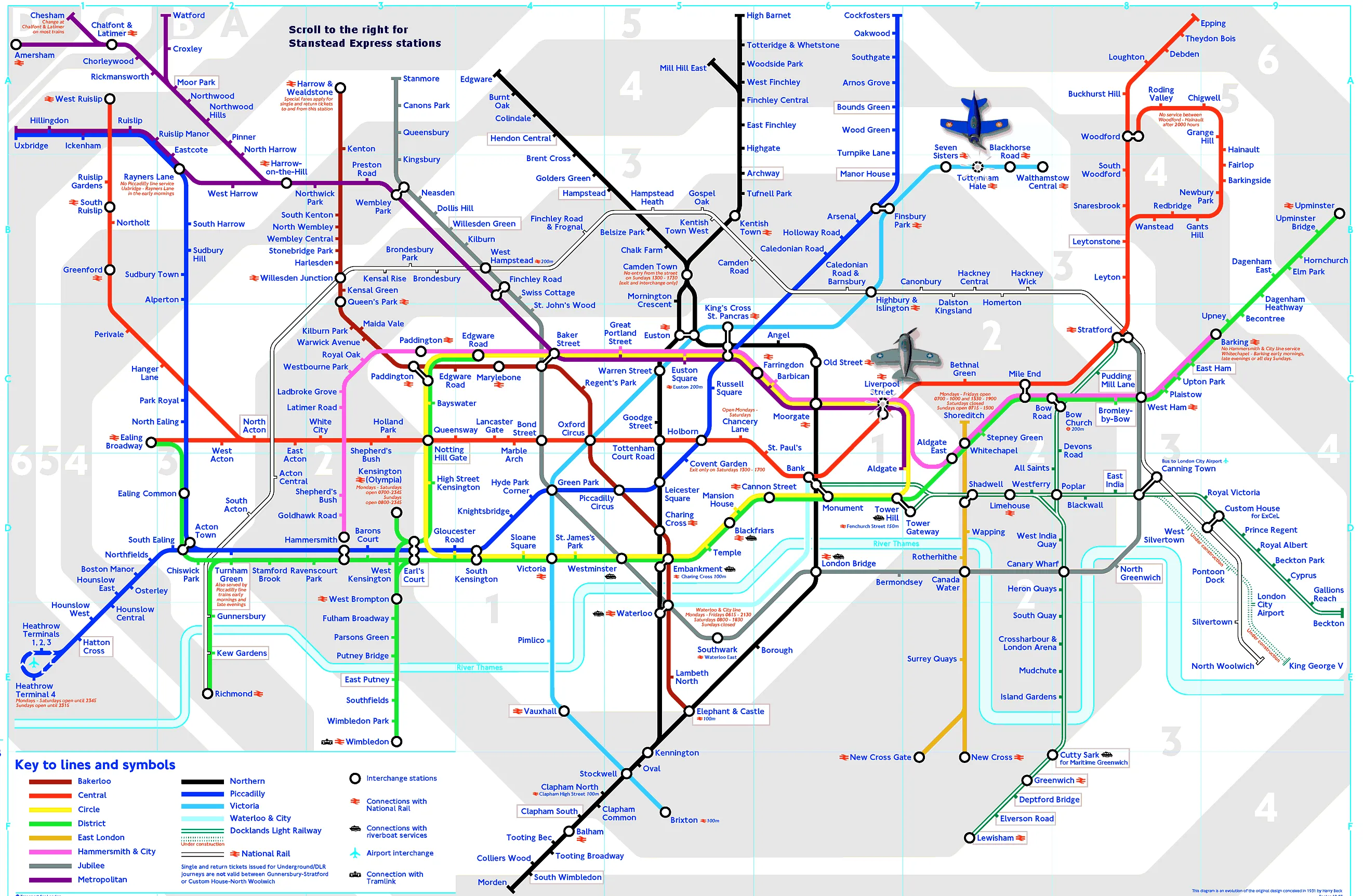
As passenger numbers increased, scheduled airport coaches moved from being a niche backup option to a mainstream transport mode. Their appeal was simple: direct boarding points, baggage capacity, and fares that were often attractive for both solo travelers and families. Operators refined schedules around flight waves, added online booking, and expanded city stops so passengers could get closer to where they actually needed to be.
This shift mattered because airport travel is rarely one-size-fits-all. Some passengers prioritize absolute speed, others prioritize price, and many prioritize simplicity. A coach route that runs directly to a hub like Liverpool Street or Victoria can outperform more complex multimodal journeys for real-world convenience. Over time, scheduled shuttles became not just a budget option, but a strategic part of airport mobility planning.
Rail competition and why buses stayed relevant

Rail links between Stansted and London are fast and popular, yet coach services remained resilient for a reason: they solve different travel problems. Rail is excellent for speed to a specific terminal station, but not every traveler starts or ends there. Coaches can target multiple neighborhoods and interchange points, reducing extra changes that can feel exhausting after a flight.
Price sensitivity also played a role. For many passengers, especially students, backpackers, and families, the combination of predictable fares and generous luggage handling made coaches highly attractive. Rather than replacing each other, rail and shuttle modes formed a practical ecosystem where travelers select the best tool for their exact itinerary, budget, and tolerance for transfers.
Motorways, timetables and service reliability

Infrastructure upgrades on major roads, combined with better traffic analytics, improved the reliability of airport coach operations over time. Operators learned to build timetables with realistic buffers, monitor congestion patterns, and adjust dispatching dynamically during disruptions. The goal was never perfect precision in every traffic scenario, but credible predictability that passengers could plan around.
Reliability is the invisible feature travelers notice only when it fails. A good shuttle journey feels uneventful: clear boarding, smooth highway progress, understandable announcements, and arrival close to schedule. Behind that simplicity sits years of route planning, depot logistics, driver coordination, and service design tuned to one core promise: get people to the airport or city on time as often as operationally possible.
Low-cost flights and transfer demand growth
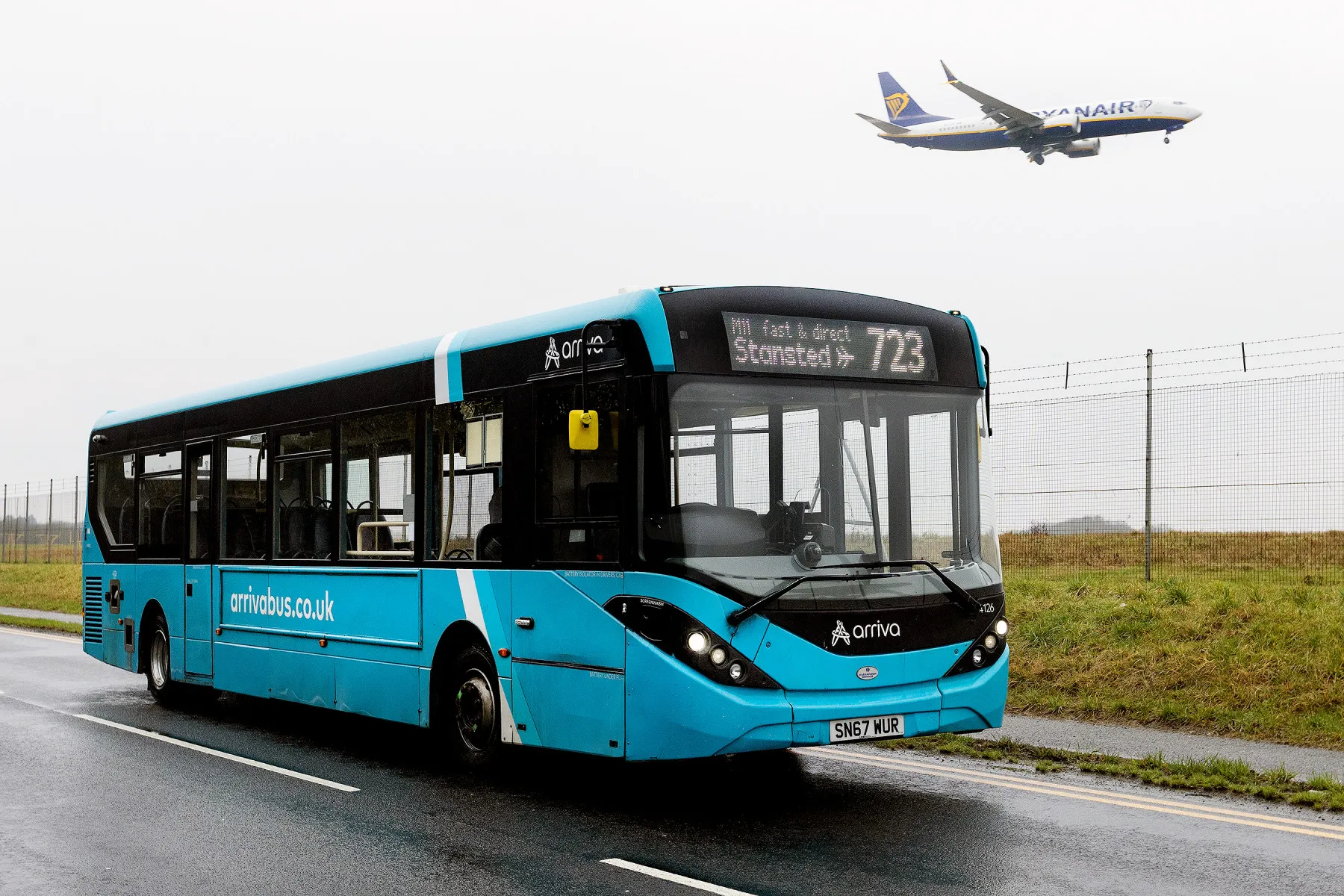
The expansion of low-cost aviation changed travel behavior across Europe, and Stansted was one of the airports most visibly shaped by that change. More weekend breaks, more short-notice trips, and more price-driven booking patterns meant transfer services had to become more frequent, more flexible, and easier to book digitally. Shuttle operators responded with broader schedules and cleaner booking flows.
As demand grew, the transfer corridor became less about occasional airport runs and more about continuous mobility. On any given day, the passenger mix can include business travelers on tight timelines, students returning home, families beginning holidays, and international visitors discovering London for the first time. This diversity pushed operators to prioritize clarity: easy ticketing, visible stop information, and straightforward boarding rules.
Passenger habits: convenience over complexity
Modern travelers increasingly value cognitive simplicity. After flight delays, security checks, and passport control, most people prefer transport options that require fewer decisions. A shuttle that clearly states departure point, destination, and timing removes friction at exactly the moment when decision fatigue is high. That is one reason airport coaches remain so compelling.
Convenience is not only about speed. It is about emotional bandwidth: knowing where to stand, what to show, where luggage goes, and where you will get off. When those steps are obvious, the entire transfer feels lighter. The Stansted-London shuttle has steadily evolved around this principle, and its continued popularity reflects how valuable calm, legible travel systems are in real life.
Accessibility, safety and comfort improvements

Over the years, operators have invested in safer boarding procedures, clearer signage, and better passenger communications during disruption. Practical touches matter: visible bay numbers, digital updates, staff with high-visibility uniforms, and predictable luggage handling rules. These details reduce confusion and support safer movement in crowded environments.
Accessibility has also improved, though standards can vary by vehicle and departure. Many services now include low-step access, designated wheelchair spaces, and support channels for assisted travel requests. The trend is positive, but travelers with specific mobility needs should still confirm arrangements in advance to ensure the right vehicle and boarding support are available.
Travel peaks, events and seasonal pressure
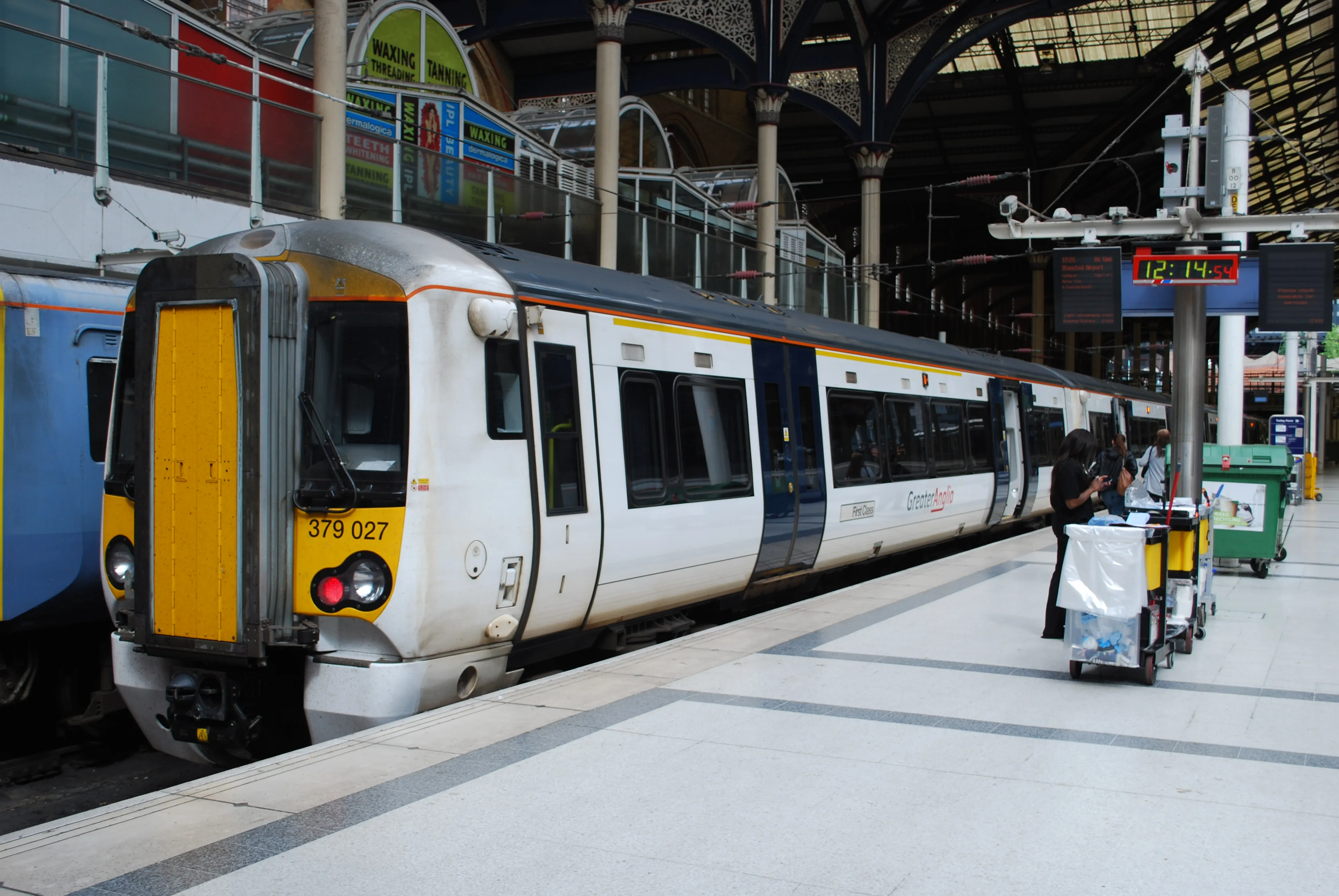
Airport transfer demand rises and falls in clear seasonal waves. Summer holidays, December travel, major concerts, sporting events, and conference periods can all intensify pressure on key routes. During these peaks, the difference between a calm transfer and a stressful one often comes down to preparation: advance booking, early arrival, and realistic timing.
Operators plan for these surges with additional services where possible, yet capacity can still tighten quickly when flights bunch together or road disruptions occur. Travelers who understand this pattern make better choices. Booking earlier, avoiding last-minute assumptions, and carrying flexible expectations are small habits that dramatically improve the travel experience.
Ticketing evolution from paper to mobile
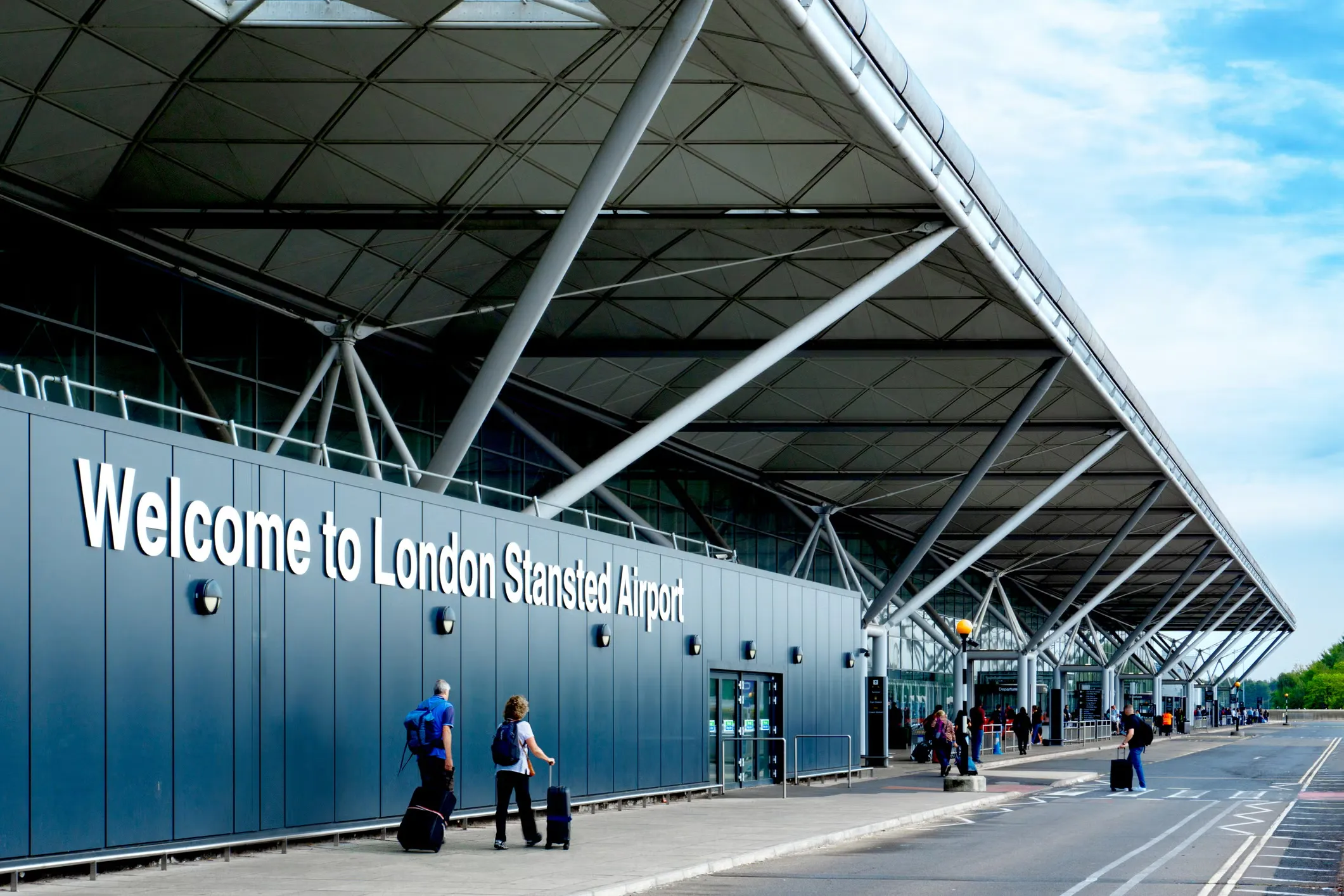
Airport coach ticketing has transformed from kiosk counters and printed slips to mobile-first booking flows that let passengers compare fares in minutes. E-tickets, QR confirmations, and account-based bookings reduced uncertainty and enabled faster boarding. For operators, digital systems improved forecasting and operational planning. For travelers, they reduced friction at exactly the stage where clarity matters most.
Yet digital convenience also introduced a new responsibility: understanding fare rules before payment. Flexible, semi-flexible, and fixed fares can look similar at first glance but behave very differently when flights change. Experienced travelers now evaluate policy terms as carefully as price. In many cases, the best-value ticket is the one that protects you from costly last-minute changes, not simply the lowest initial number.
Sustainability and shared ground transport
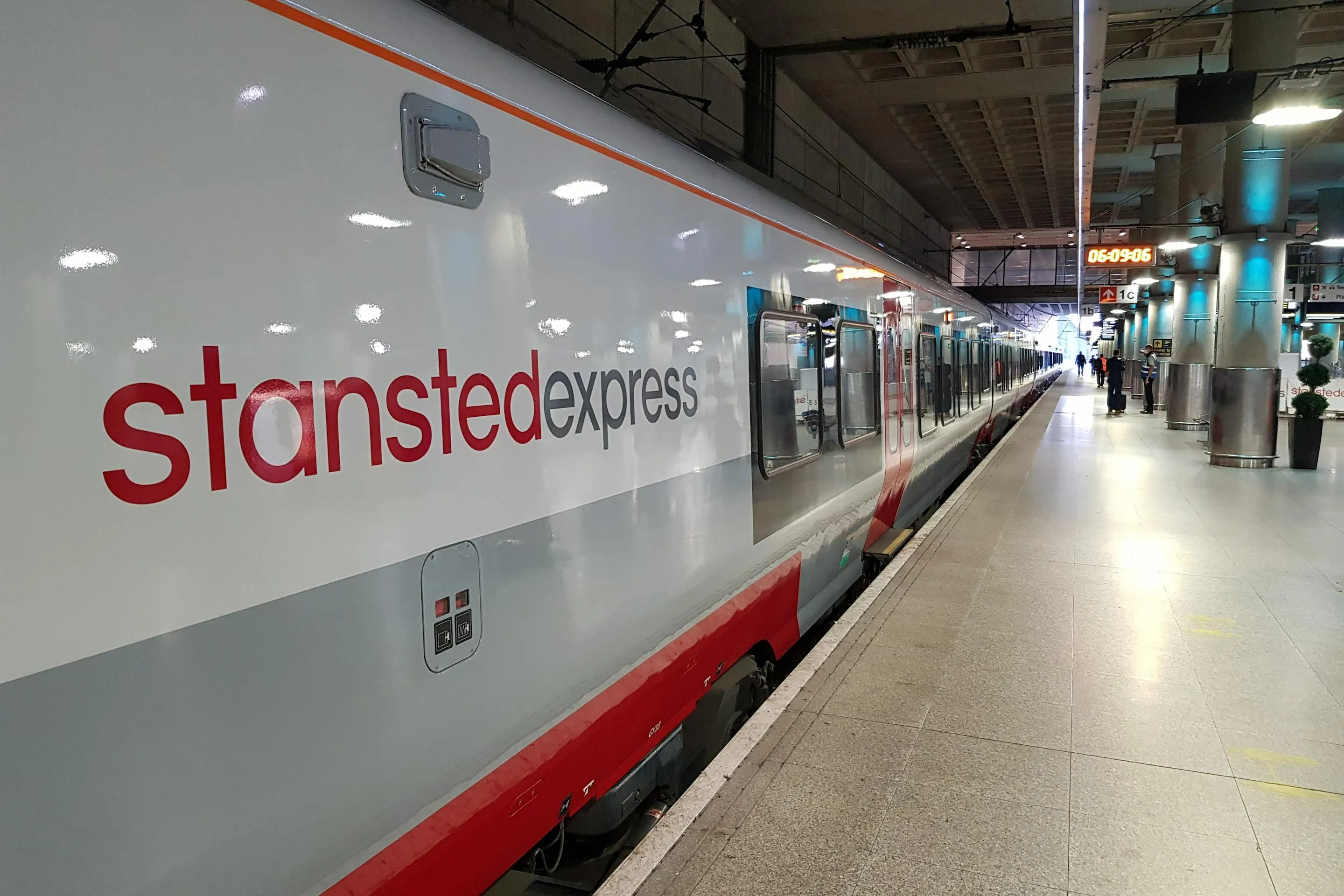
As airports and cities look for lower-impact mobility patterns, shared ground transport plays a central role. A full coach moving dozens of passengers can reduce the number of private car trips and single-occupancy rides, helping ease congestion pressure around both airport roads and central districts. It is not the complete sustainability solution, but it is an important practical step.
Sustainability in this context is also operational: smoother boarding, better loading efficiency, and coordinated stop management all improve throughput and reduce wasted time idling in traffic. The long-term direction is clear. Future airport transfers are likely to be more integrated, more data-informed, and more focused on balancing passenger convenience with broader urban transport goals.
Interchange strategy once you reach London
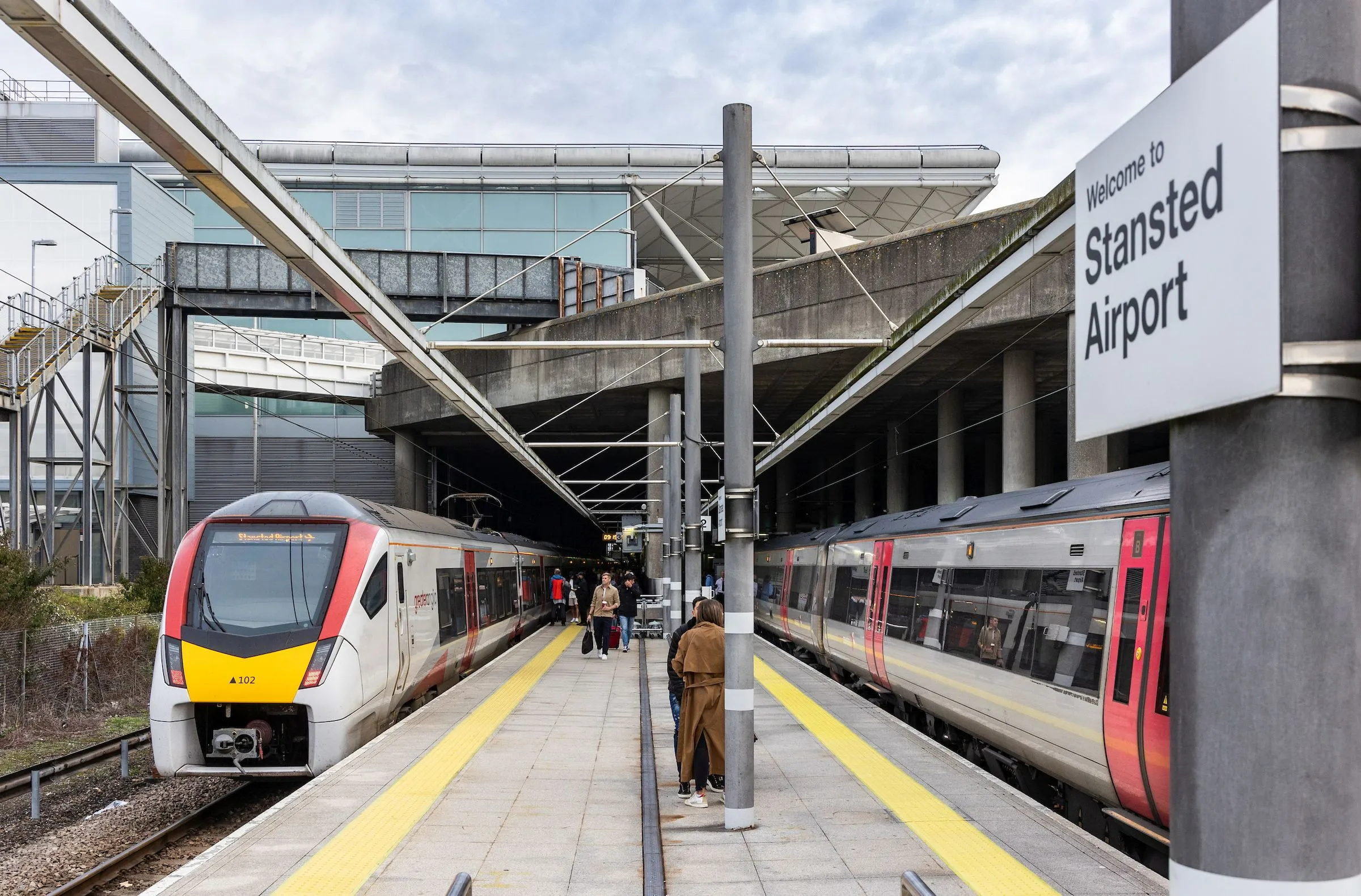
A successful airport transfer does not end when the coach doors open. The smartest travelers plan the final leg in advance: which Underground line to take, whether a taxi rank is nearby, and how long the last segment to the hotel might take on foot. Choosing the right shuttle stop can save substantial time and energy after arrival.
If your luggage is heavy or your check-in time is tight, it is often worth selecting a route that drops you closest to your final destination, even if the ticket costs slightly more. This is where transfer planning becomes genuinely strategic. A well-chosen stop can reduce stairways, platform changes, and navigation stress, making your arrival in London feel smoother from the very first hour.
Why the Stansted shuttle remains essential
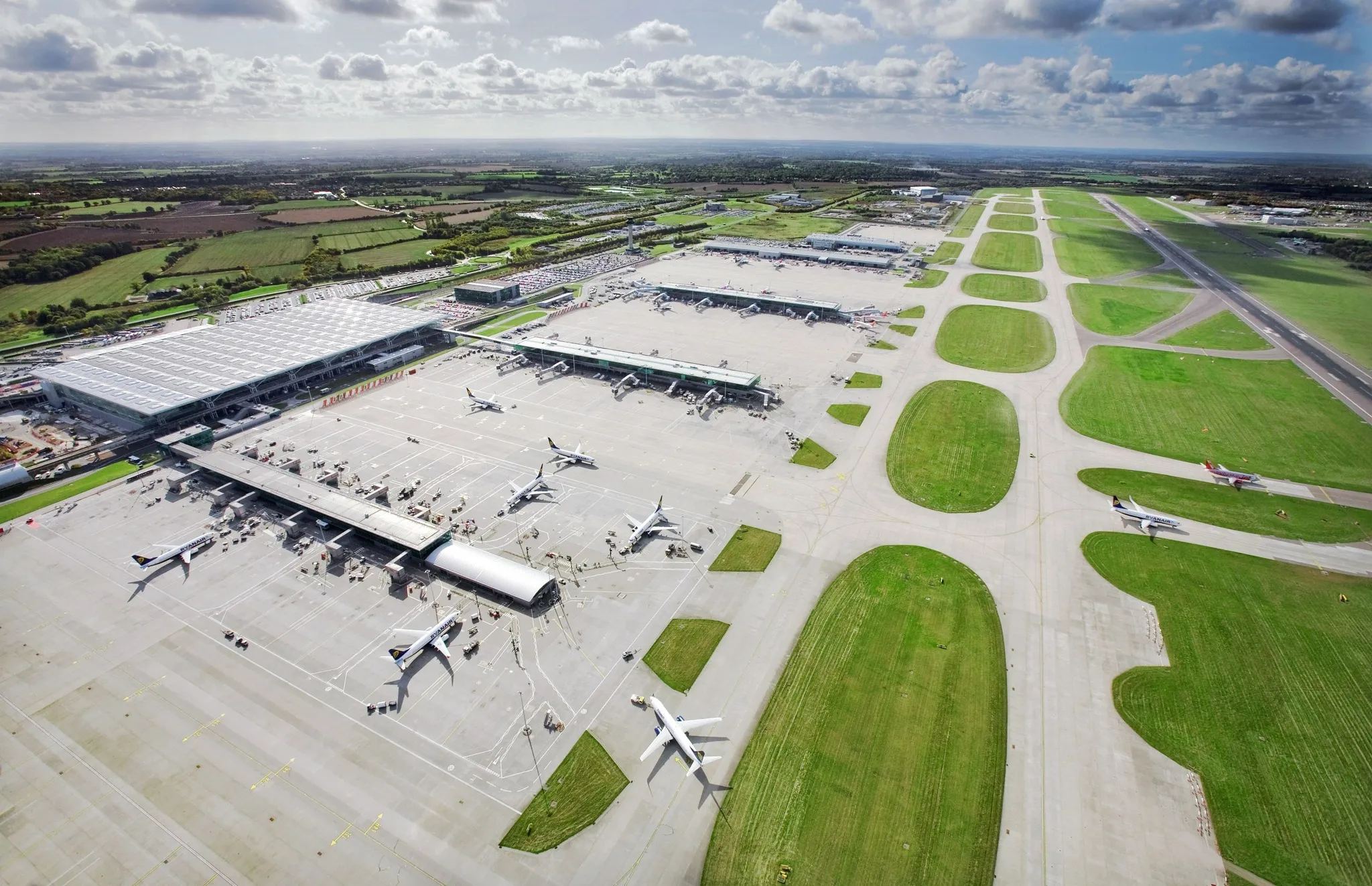
On the surface, the Stansted shuttle is simply a practical transfer product. In reality, it represents the backbone of a modern travel ecosystem that must remain understandable under pressure. It serves first-time visitors and frequent flyers alike, and it bridges the gap between a major airport outside the city and the dense complexity of central London transport.
Its enduring value comes from being clear when travel feels uncertain. Flights can shift, traffic can fluctuate, and plans can change at the last minute. A dependable shuttle gives travelers structure in that uncertainty: a known departure, a known route, and a known arrival zone. That quiet reliability is why this corridor remains one of the most important and trusted airport transfer links for London-bound passengers.
Table of Contents
Roads before runways: early London coaching routes
Long before travelers rolled suitcases through airport terminals, the countryside northeast of London was already linked to the capital by coaching roads that carried goods, letters, and passengers. Villages and market towns along this corridor lived by the rhythm of movement: horses changed, messages exchanged, travelers fed and sent onward. What we now think of as an airport transfer route is, in many ways, an updated version of an older story, one where speed, reliability, and clear wayfinding always mattered.
Those early routes taught a practical lesson that still defines modern shuttle services: people do not only travel for leisure, they travel with pressure, deadlines, and uncertainty. Merchants once hurried to markets, families to appointments, officials to meetings. Today it is check-in deadlines, connection windows, and hotel arrivals. The context changed, but the human need is the same: get from point A to point B with confidence. The Stansted-London shuttle corridor inherited this legacy and modernized it for the age of aviation.
How Stansted became a major London airport
Stansted did not begin as the first-choice London gateway for most international visitors, but over the decades it evolved from a secondary facility into a major airport with substantial passenger volumes. As airline strategies changed, especially with the expansion of low-cost carriers, Stansted became a critical launch point for affordable routes across Europe and beyond. That growth created a new transport challenge: how to move large numbers of passengers quickly between an airport outside central London and the city itself.
Unlike airports built close to the urban core, Stansted relies heavily on high-capacity ground links to remain competitive and convenient. Rail played a key role, but coach and shuttle services became equally important because they can serve multiple London districts directly. This flexibility helped Stansted strengthen its position. Travelers heading to different neighborhoods could choose a route that reduced changes and made the final leg simpler, especially when arriving with luggage, children, or late-evening schedules.
The rise of scheduled airport coaches
As passenger numbers increased, scheduled airport coaches moved from being a niche backup option to a mainstream transport mode. Their appeal was simple: direct boarding points, baggage capacity, and fares that were often attractive for both solo travelers and families. Operators refined schedules around flight waves, added online booking, and expanded city stops so passengers could get closer to where they actually needed to be.
This shift mattered because airport travel is rarely one-size-fits-all. Some passengers prioritize absolute speed, others prioritize price, and many prioritize simplicity. A coach route that runs directly to a hub like Liverpool Street or Victoria can outperform more complex multimodal journeys for real-world convenience. Over time, scheduled shuttles became not just a budget option, but a strategic part of airport mobility planning.
Rail competition and why buses stayed relevant
Rail links between Stansted and London are fast and popular, yet coach services remained resilient for a reason: they solve different travel problems. Rail is excellent for speed to a specific terminal station, but not every traveler starts or ends there. Coaches can target multiple neighborhoods and interchange points, reducing extra changes that can feel exhausting after a flight.
Price sensitivity also played a role. For many passengers, especially students, backpackers, and families, the combination of predictable fares and generous luggage handling made coaches highly attractive. Rather than replacing each other, rail and shuttle modes formed a practical ecosystem where travelers select the best tool for their exact itinerary, budget, and tolerance for transfers.
Motorways, timetables and service reliability
Infrastructure upgrades on major roads, combined with better traffic analytics, improved the reliability of airport coach operations over time. Operators learned to build timetables with realistic buffers, monitor congestion patterns, and adjust dispatching dynamically during disruptions. The goal was never perfect precision in every traffic scenario, but credible predictability that passengers could plan around.
Reliability is the invisible feature travelers notice only when it fails. A good shuttle journey feels uneventful: clear boarding, smooth highway progress, understandable announcements, and arrival close to schedule. Behind that simplicity sits years of route planning, depot logistics, driver coordination, and service design tuned to one core promise: get people to the airport or city on time as often as operationally possible.
Low-cost flights and transfer demand growth
The expansion of low-cost aviation changed travel behavior across Europe, and Stansted was one of the airports most visibly shaped by that change. More weekend breaks, more short-notice trips, and more price-driven booking patterns meant transfer services had to become more frequent, more flexible, and easier to book digitally. Shuttle operators responded with broader schedules and cleaner booking flows.
As demand grew, the transfer corridor became less about occasional airport runs and more about continuous mobility. On any given day, the passenger mix can include business travelers on tight timelines, students returning home, families beginning holidays, and international visitors discovering London for the first time. This diversity pushed operators to prioritize clarity: easy ticketing, visible stop information, and straightforward boarding rules.
Passenger habits: convenience over complexity
Modern travelers increasingly value cognitive simplicity. After flight delays, security checks, and passport control, most people prefer transport options that require fewer decisions. A shuttle that clearly states departure point, destination, and timing removes friction at exactly the moment when decision fatigue is high. That is one reason airport coaches remain so compelling.
Convenience is not only about speed. It is about emotional bandwidth: knowing where to stand, what to show, where luggage goes, and where you will get off. When those steps are obvious, the entire transfer feels lighter. The Stansted-London shuttle has steadily evolved around this principle, and its continued popularity reflects how valuable calm, legible travel systems are in real life.
Accessibility, safety and comfort improvements
Over the years, operators have invested in safer boarding procedures, clearer signage, and better passenger communications during disruption. Practical touches matter: visible bay numbers, digital updates, staff with high-visibility uniforms, and predictable luggage handling rules. These details reduce confusion and support safer movement in crowded environments.
Accessibility has also improved, though standards can vary by vehicle and departure. Many services now include low-step access, designated wheelchair spaces, and support channels for assisted travel requests. The trend is positive, but travelers with specific mobility needs should still confirm arrangements in advance to ensure the right vehicle and boarding support are available.
Travel peaks, events and seasonal pressure
Airport transfer demand rises and falls in clear seasonal waves. Summer holidays, December travel, major concerts, sporting events, and conference periods can all intensify pressure on key routes. During these peaks, the difference between a calm transfer and a stressful one often comes down to preparation: advance booking, early arrival, and realistic timing.
Operators plan for these surges with additional services where possible, yet capacity can still tighten quickly when flights bunch together or road disruptions occur. Travelers who understand this pattern make better choices. Booking earlier, avoiding last-minute assumptions, and carrying flexible expectations are small habits that dramatically improve the travel experience.
Ticketing evolution from paper to mobile
Airport coach ticketing has transformed from kiosk counters and printed slips to mobile-first booking flows that let passengers compare fares in minutes. E-tickets, QR confirmations, and account-based bookings reduced uncertainty and enabled faster boarding. For operators, digital systems improved forecasting and operational planning. For travelers, they reduced friction at exactly the stage where clarity matters most.
Yet digital convenience also introduced a new responsibility: understanding fare rules before payment. Flexible, semi-flexible, and fixed fares can look similar at first glance but behave very differently when flights change. Experienced travelers now evaluate policy terms as carefully as price. In many cases, the best-value ticket is the one that protects you from costly last-minute changes, not simply the lowest initial number.
Sustainability and shared ground transport
As airports and cities look for lower-impact mobility patterns, shared ground transport plays a central role. A full coach moving dozens of passengers can reduce the number of private car trips and single-occupancy rides, helping ease congestion pressure around both airport roads and central districts. It is not the complete sustainability solution, but it is an important practical step.
Sustainability in this context is also operational: smoother boarding, better loading efficiency, and coordinated stop management all improve throughput and reduce wasted time idling in traffic. The long-term direction is clear. Future airport transfers are likely to be more integrated, more data-informed, and more focused on balancing passenger convenience with broader urban transport goals.
Interchange strategy once you reach London
A successful airport transfer does not end when the coach doors open. The smartest travelers plan the final leg in advance: which Underground line to take, whether a taxi rank is nearby, and how long the last segment to the hotel might take on foot. Choosing the right shuttle stop can save substantial time and energy after arrival.
If your luggage is heavy or your check-in time is tight, it is often worth selecting a route that drops you closest to your final destination, even if the ticket costs slightly more. This is where transfer planning becomes genuinely strategic. A well-chosen stop can reduce stairways, platform changes, and navigation stress, making your arrival in London feel smoother from the very first hour.
Why the Stansted shuttle remains essential
On the surface, the Stansted shuttle is simply a practical transfer product. In reality, it represents the backbone of a modern travel ecosystem that must remain understandable under pressure. It serves first-time visitors and frequent flyers alike, and it bridges the gap between a major airport outside the city and the dense complexity of central London transport.
Its enduring value comes from being clear when travel feels uncertain. Flights can shift, traffic can fluctuate, and plans can change at the last minute. A dependable shuttle gives travelers structure in that uncertainty: a known departure, a known route, and a known arrival zone. That quiet reliability is why this corridor remains one of the most important and trusted airport transfer links for London-bound passengers.